Micro-Stakes Cash Bankroll Math
 Step into the DojoFree poker against bots that learn. Earn your belt. Dojo Coin is play money.JOIN NOW
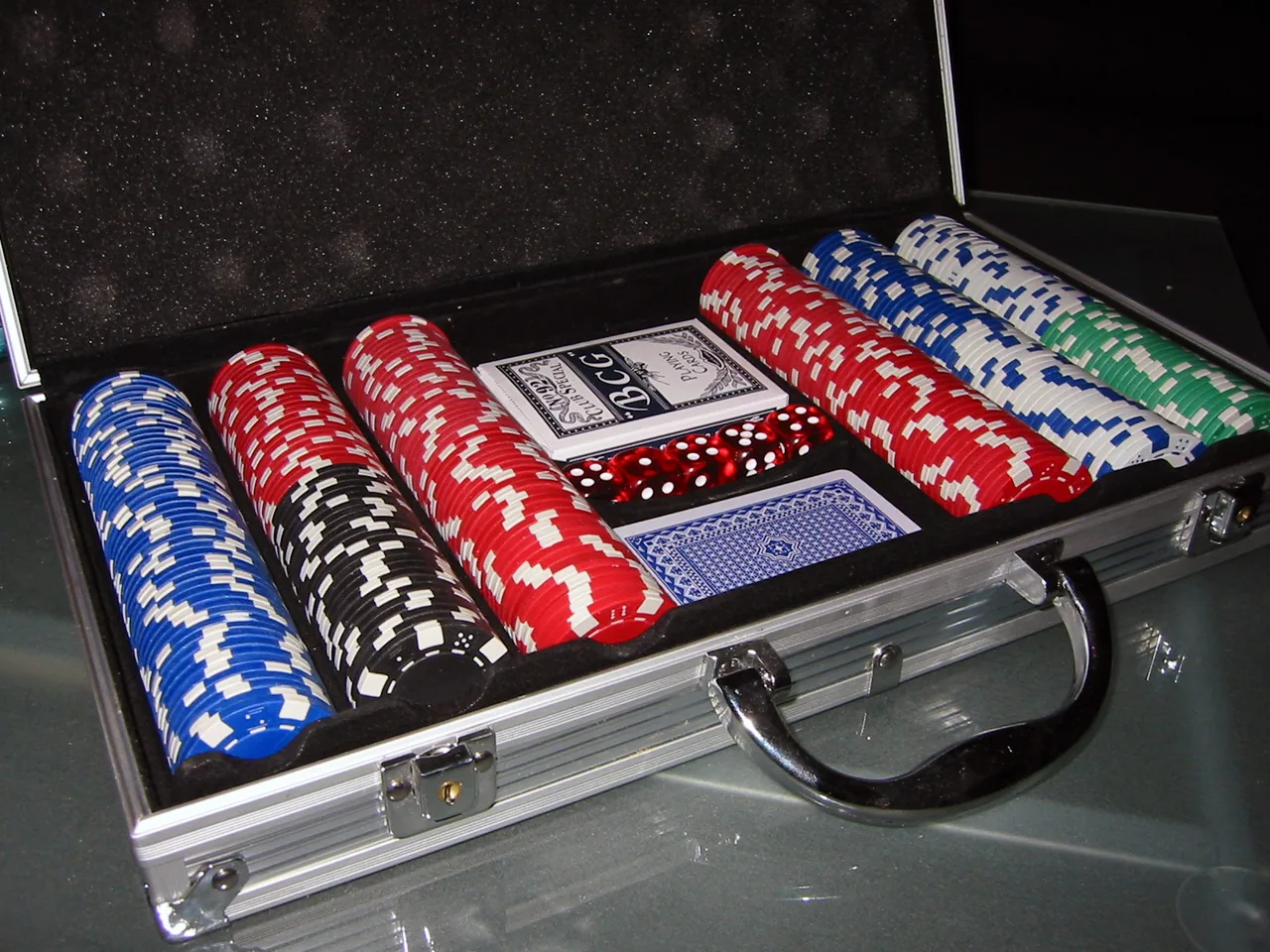
Quick answer: For no-limit cash, treat one buy-in as 100 big blinds. A widely used community guideline is to keep roughly 20–40 buy-ins at the stake you play: leaner if you can drop down without stress, thicker if you want a bigger cushion against downswings. Move up only when the roll covers the next stake’s multiple; move down as soon as you fall short. This is bankroll risk management, not a promise of profit: no buy-in count guarantees you won't go broke, and losing players lose over time regardless of roll size. Only play with money you can afford to lose, where online poker is legal for you.
These numbers are rules of thumb used across coaching and room education articles—not a guarantee that a given downswing will stay inside the cushion.
Define the Units
- Big blind (bb): the larger forced blind.
- Standard cash buy-in: usually 100bb (some rooms allow 50–200bb; use the stack you actually sit with).
- Bankroll: money set aside for poker that you can afford to lose without harming rent, bills, or savings.
Formula:
Buy-ins available = (Bankroll) ÷ (100bb buy-in at this stake)
If buy-ins available is below your chosen threshold, you are overrolled for that stake—or underrolled and should move down.
Why Multiples Exist (Variance, Not Magic)
Even when you are a favorite, short-run results swing. A classic illustration: an 80% favorite still loses one time in five when all-in. Across thousands of all-ins, losing streaks are arithmetic, not personal failure (see variance discussions in bankroll guides such as Wild.io Academy and Rakeback.com strategy pieces). Your roll is the shock absorber so a normal cold run does not force scared, break-even, or tilt play.
We are not inventing a specific “average downswing is X buy-ins” statistic here. Published guides disagree on exact cushions (20, 25, 30, 40+) because risk tolerance and win rate differ. Use a number you will actually obey.
Worked Example 1: $50 Roll at $0.01/$0.02
Example. Bankroll = $50. Stake = NL2 ($0.01/$0.02). Full buy-in = 100 × $0.02 = $2.
- Buy-ins = 50 / 2 = 25
That sits near the low end of the 20–40 buy-in range commonly suggested for cash games. You can play NL2 with a moderate cushion. You are not rolled for NL10 (100bb = $10 → only 5 buy-ins).
Worked Example 2: Building Toward NL5
Example. Same player wants $0.02/$0.05 (NL5). Buy-in = $5.
- 20 buy-ins: $100
- 30 buy-ins: $150
- 40 buy-ins: $200
If the roll is $120, that is 24 buy-ins at NL5—fine for a lean plan, thin for a conservative 40-buy-in plan. Choose the plan before you click Sit.
Worked Example 3: Move-Up / Move-Down Triggers
Example. You commit to 30 buy-ins for cash.
- At NL2 ($2 buy-in): need $60.
- Shot-take idea used by some coaches: when you are ~20% above the requirement, take a limited shot at the next stake, then return if you lose (Smart Poker Study summarizes a 40-buy-in base with shot-taking above it—treat shot size as optional discipline, not mandatory).
Simple obedience rules:
1. Move up only when bankroll ≥ threshold × next buy-in.
2. Move down immediately when bankroll < threshold × current buy-in.
3. Never “win it back” at a higher stake after a downswing.
The sensei is waitingTrain against superintelligent bots. Free account, play money only. Dojo Coin is play money.JOIN NOW
Cash vs Tournaments (Do Not Mix the Math)
Cash variance is usually lower than multi-table tournament variance. Community tables commonly cite roughly 20–40 buy-ins for cash and much higher multiples for MTTs (often 50–100+ or more, depending on the source). This article is cash-only. Do not apply a 25-buy-in cash roll to a schedule of $22 Sunday majors.
Sit-and-gos are their own variance class; if you play them, use a separate, larger multiple.
Micro-Stakes Specific Tips
1. Start where learning is cheap. A few dozen buy-ins at NL2 cost less tuition than the same mistakes at NL50.
2. Separate life money from roll. If a loss would change grocery decisions, the stake is too high.
3. Track in buy-ins, not vibes. “I’m stuck $40” means more at NL2 than at NL25.
4. Rake exists. Lower stakes often have worse rake relative to skill edge; bankroll discipline still applies—it just means shot-taking should be even more careful. We are not inventing a rake percentage here; check your room’s posted schedule.
Tie-In to Table Math
Bankroll rules keep you in enough sessions to apply pot odds and SPR correctly. A broke player cannot practice good decisions. A scared player with three buy-ins left folds +EV calls and under-bluffs.
Related Reading
- Pot odds and break-even calling math
- Stack-to-pot ratio (SPR) basics
- Texas Hold'em strategy (bankroll section) · Texas Hold'em rules · Poker blog
FAQ
Is 20 buy-ins enough?
It can be for a recreational cash player who will move down without hesitation. Many serious grinders prefer 30–40+ (Wild.io; SoMuchPoker summary tables). Pick a number your temperament can survive.
What counts as a buy-in if I short-stack?
Use the stack you buy in for. If you buy in for 50bb, your “buy-in” for roll math is 50bb—but short-stacking also changes strategy; most bankroll charts assume ~100bb.
Can I include money I might deposit later?
No. Only funds already dedicated to the roll count.
Does this article recommend a product, coin, or payment feature?
No. It is stake-sizing math only.
Need help? If gambling stops being fun, call or text 1-800-GAMBLER (US).
Sources
1. Wild.io Academy, “Poker Bankroll Management: Buy-in Chart”: https://wild.io/academy/articles/poker-bankroll-management
2. Americas Cardroom, “Adjusting Stakes Based on Bankroll Size”: https://www.acrpoker.eu/how-to/poker-strategy/bankroll/adjusting-stakes-based-on-bankroll-size/
3. SoMuchPoker, “Poker Bankroll: The Ultimate Guide”: https://somuchpoker.com/poker-term/poker-bankroll-management-guide
4. Rakeback.com, “No Limit Cash Game Bankroll Management: Adjusting for Winrate” (variance / downswing discussion): https://www.rakeback.com/poker-strategy/poker-bankroll-management-and-variance/
5. Smart Poker Study, micro-stakes bankroll Q&A summary: https://smartpokerstudy.com/8-micro-stakes-poker-questions-qa-podcast-246/
Ready to take a seat?Join free and put what you just read to work at the tables. Dojo Coin is play money.JOIN NOW